
Last Updated: June 2026 | Reading Time: 12 Minutes
Category: Design Education | Career Guidance
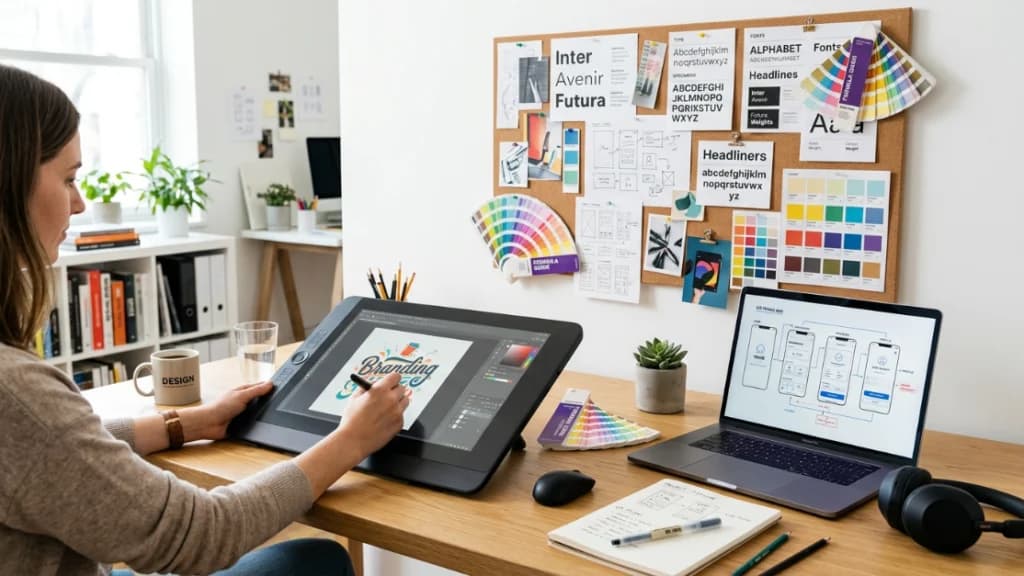
If you are passionate about Master of Design India and looking for a postgraduate course that combines creativity with strategy, the MDes (Master of Design) might just be the perfect path for you. Whether you want to build products, design user experiences, create brand identities, or shape the future of fashion — Master of Design India opens every one of those doors.
In this complete guide, we break down everything you need to know about Master of Design India — what it is, syllabus, top colleges, salary packages, pros and cons, and how Artificial Intelligence is changing the design world. We also tell you exactly how to prepare for government college entrance exams like CEED and NID DAT.
Let’s dive in.
Master of Design India
What is Master of Design India?
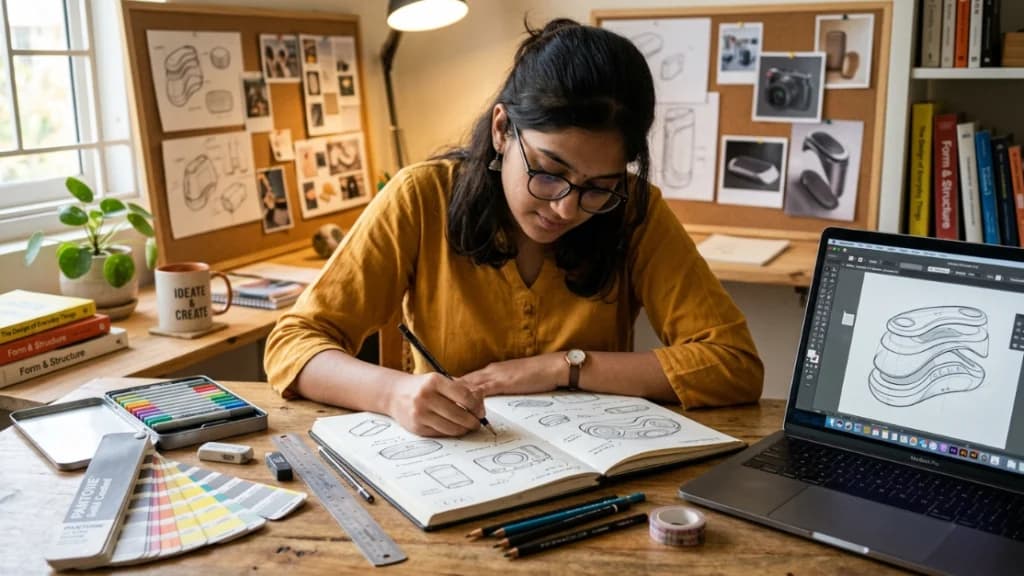
MDes stands for Master of Design — a 2-year postgraduate program that trains students in advanced design principles, research, and professional practice. It goes far beyond drawing or visual aesthetics. MDes teaches you design thinking, user research, innovation strategy, and problem-solving that modern companies actively look for.
In today’s world, companies do not just want someone who can make things look good — they want designers who understand users, solve real problems, and drive business results. That is exactly what MDes prepares you for.
In short: MDes = Creative Skill + Strategic Thinking + Research Ability
Master of Design India Eligibility
Before applying, make sure you meet the basic requirements:
- Qualification: Bachelor’s degree in any stream — B.Des, B.Arch, B.Tech, BFA, or any graduation
- Minimum Marks: Generally 55% aggregate (50% for reserved categories)
- Entrance Exam: Most top colleges require CEED, NID DAT, or NIFT entrance exam
- Portfolio: Required by most design schools as part of the selection process
- Duration: 2 years (4 semesters)
MDes Syllabus & Specializations
Semester 1 & 2 — Foundation
| Subject | What You Learn |
|---|---|
| Design Theory & History | Foundations of design movements worldwide |
| Visual Communication | How to communicate ideas visually |
| Typography & Layout | Fonts, grids, spacing, editorial design |
| Design Research Methods | User research, ethnography, data analysis |
| Material Studies | Properties of materials for product design |
| Digital Tools | Adobe Suite, Figma, AutoCAD, Rhino |
| Studio Practice | Hands-on design projects with real briefs |
Semester 3 & 4 — Specialization & Thesis
| Subject | What You Learn |
|---|---|
| Advanced Studio Projects | Complex real-world design challenges |
| Specialization Track | Deep dive into your chosen design stream |
| Dissertation/Research | Original design research paper |
| Industry Internship | Real workplace exposure (select colleges) |
| Final Thesis & Portfolio | Capstone project + professional portfolio |
Popular MDes Specializations
- UX / UI Design
- Product & Industrial Design
- Graphic & Communication Design
- Fashion Design
- Textile Design
- Interaction Design
- Interior & Space Design
- Animation & Film Design
Pros & Cons of MDes
✅ Pros — Why Master of Design India is a Great Choice
High Industry Demand UX designers, product designers, and brand strategists are among the most in-demand professionals globally. Every tech company, startup, and MNC needs skilled design talent.
Creative + Strategic Combined MDes is not just about making things beautiful. You learn business strategy, user psychology, and innovation frameworks — making you far more valuable than a basic graphic designer.
Strong Alumni Networks NID, IIT, and NIFT alumni networks are extremely powerful. Getting into these institutions can open professional doors that would otherwise take years to unlock.
Freelancing & Entrepreneurship Friendly After MDes, you can start your own design studio, work with global clients remotely, or build a product startup. You are not dependent on a single employer.
Global Career Opportunities Design is a universal language. With an MDes from a top Indian institution, working abroad — in Europe, the US, Japan, or Singapore — is very much achievable.
Fast Salary Growth Experienced designers, especially in UX and product design, see one of the steepest salary growth curves in any profession.
Interdisciplinary Nature MDes connects technology, psychology, art, and business — making it intellectually rich and never boring.
❌ Cons — What to Watch Out For
High Fees in Private Colleges Private MDes programs can cost between ₹3 lakh to ₹10 lakh for 2 years. Government colleges are far more affordable but extremely competitive to get into.
Brutal Competition for Government Seats NID Ahmedabad may have only 20–40 seats with thousands of applicants. Acceptance rates at top government design colleges are often below 3%.
Slow Market Recognition in Tier-2 Cities India’s design market is still maturing. Outside metros like Mumbai, Bangalore, Delhi, and Pune, companies may undervalue design and offer low salaries accordingly.
Portfolio Matters More Than Degree In the design world, your portfolio speaks louder than your certificate. If your 2 years of MDes do not produce outstanding work, the degree alone won’t carry you far.
Highly Subjective Field There is no single right answer in design. Appraisals, project approvals, and promotions can feel opinion-based, which can be frustrating for analytical minds.
Constant Skill Updating Required Design tools and trends evolve rapidly. You cannot rely on what you learned in college — continuous learning is non-negotiable throughout your career.
AI and MDes — Impact on the Design Career
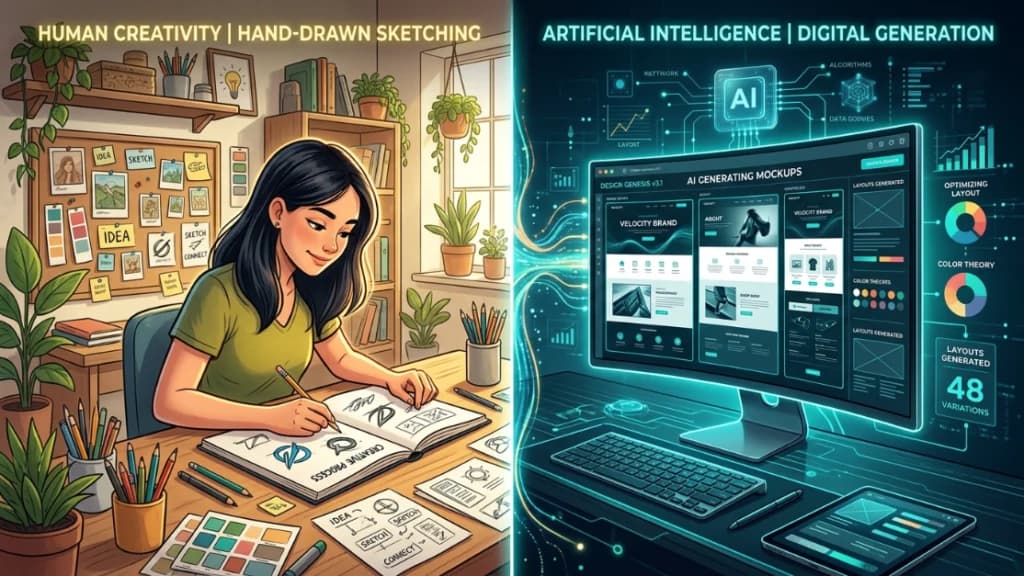
Artificial Intelligence is reshaping every industry, and design is no exception. Here is a balanced look at how AI is changing things for MDes students and professionals.
✅ How AI Helps Designers
Faster Workflows Tasks that used to take hours — generating mood boards, color palettes, initial layout drafts — now take minutes with tools like Midjourney, Adobe Firefly, and Canva AI.
Better Ideation AI allows designers to visualize and compare 50 concepts quickly, then invest time perfecting the best one. Creative blocks are easier to overcome.
Levels the Playing Field A solo freelancer can now deliver enterprise-level output using AI tools. Small design studios can compete with large agencies.
New High-Paying Skill Set Designers who master AI tools — Figma AI, Adobe Generative Fill, Midjourney, Stable Diffusion — are seeing significantly higher demand and pay.
❌ How AI Challenges Designers
Entry-Level Jobs Are Shrinking Tasks previously done by junior designers — basic logos, social media graphics, simple illustrations — can now be automated. Breaking into the field as a fresher is harder than ever.
Clients Undervalue Design Work Many clients now assume design is cheap and fast because “AI can do it in minutes.” Negotiating fair pricing has become increasingly difficult for independent designers.
Generic Output Problem AI-generated design tends to look similar across projects. Brands that want a truly unique identity still need human designers — but this distinction takes time for the market to fully appreciate.
Portfolio Authenticity Questions When AI generates work, it raises the question: what is actually yours? Students and professionals must now clearly demonstrate their own creative contribution in every project.
📌 What Should MDes Students Do in the AI Era?
The answer is not to fear AI — it is to become the person who directs it best.
AI cannot replicate human empathy, cultural sensitivity, strategic thinking, and deep user understanding. Those are the skills to master in your MDes years. Use AI as a tool to move faster. Build expertise in what AI cannot do. That combination makes you unstoppable.
Top Government Colleges for Master of Design India
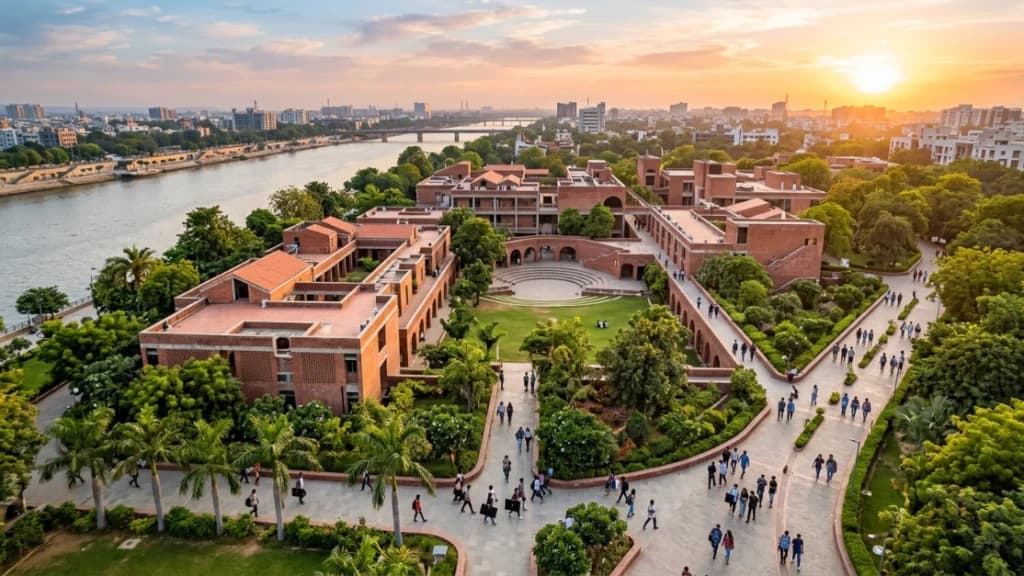
| College | Location | Known For |
|---|---|---|
| NID Ahmedabad | Gujarat | India’s most prestigious design school |
| NID Regional Campuses | Pan India | Gandhinagar, Jorhat, Kurukshetra, Bhopal, Amravati, Vijayawada |
| IIT Bombay (IDC) | Mumbai | World-class UX & product design |
| IIT Delhi | New Delhi | Strong industry connect |
| IIT Guwahati | Assam | Excellent research environment |
| IIT Kanpur | Uttar Pradesh | Design + engineering blend |
| IIT Hyderabad | Telangana | Growing design program |
| NIFT Delhi | New Delhi | Fashion & Textile design leader |
| NIFT (17 campuses) | Pan India | Fashion design across India |
| CEPT University | Ahmedabad | Architecture & Space Design |
Top Private Colleges for Master of Design India
| College | Location | Fee Range (Approx.) |
|---|---|---|
| Srishti Manipal Institute | Bangalore | ₹4–6 LPA |
| MIT Institute of Design | Pune | ₹3–5 LPA |
| Symbiosis Institute of Design | Pune | ₹4–6 LPA |
| Pearl Academy | Delhi, Mumbai, Jaipur | ₹4–6 LPA |
| Unitedworld Institute of Design | Ahmedabad | ₹3–5 LPA |
| Raffles Design Institute | Mumbai | ₹5–8 LPA |
| JD Institute of Fashion Technology | Multiple cities | ₹2–4 LPA |
MDes Placement & Salary Packages
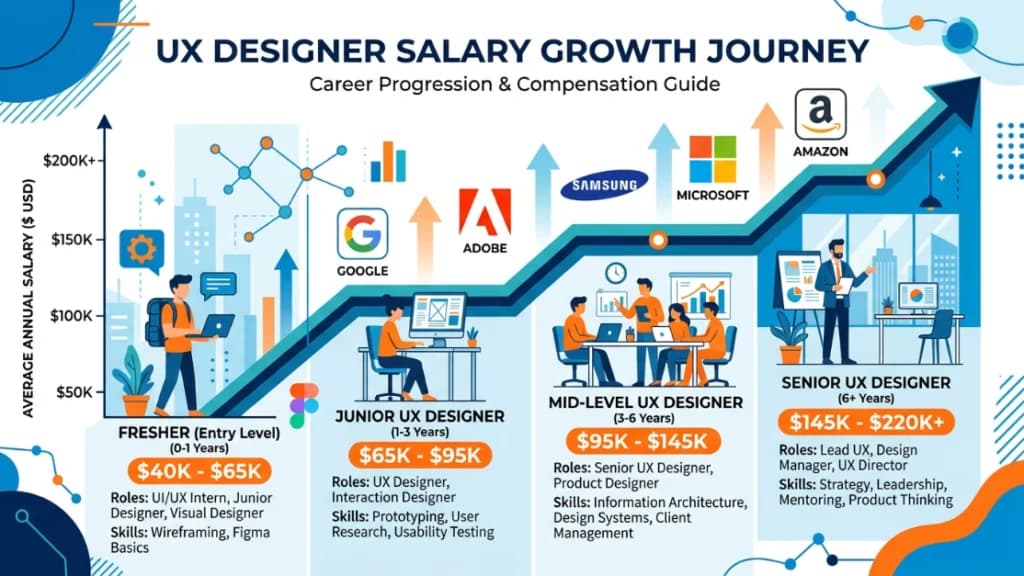
Government College Placement Highlights
NID Ahmedabad Average package: ₹8–12 LPA. Top recruiters include Google, Samsung Design, Tata Elxsi, Philips Design, Godrej, and Asian Paints. Top packages have gone up to ₹25 LPA for international roles.
IIT Bombay (IDC) Average package: ₹10–15 LPA. Companies like Microsoft, Adobe, Flipkart, and Amazon recruit here. Highest recorded package: ₹30+ LPA.
IIT Delhi & IIT Guwahati Average package: ₹8–12 LPA. Strong placements especially in UX and product design roles.
NIFT Delhi Average: ₹4–7 LPA for fashion design roles. International brand roles can go up to ₹15–25 LPA.
Role-Wise Salary Breakdown
| Role | Fresher (0–2 Yrs) | Mid-Level (3–5 Yrs) | Senior (6+ Yrs) |
|---|---|---|---|
| UX / UI Designer | ₹4–8 LPA | ₹15–30 LPA | ₹35–60 LPA |
| Product Designer | ₹6–10 LPA | ₹18–40 LPA | ₹40–70 LPA |
| Graphic Designer | ₹3–5 LPA | ₹8–15 LPA | ₹15–25 LPA |
| Creative Director | — | ₹25–50 LPA | ₹50–80 LPA |
| Design Consultant | ₹5–8 LPA | ₹20–40 LPA | ₹40–70 LPA |
| Fashion Designer | ₹3–5 LPA | ₹8–20 LPA | ₹20–40 LPA |
| Freelance Designer | Variable | ₹10–50 LPA | ₹50 LPA+ |
Note: Salaries vary significantly based on college reputation, city, company type, and individual portfolio quality.
How to Prepare for Government College Entrance Exams
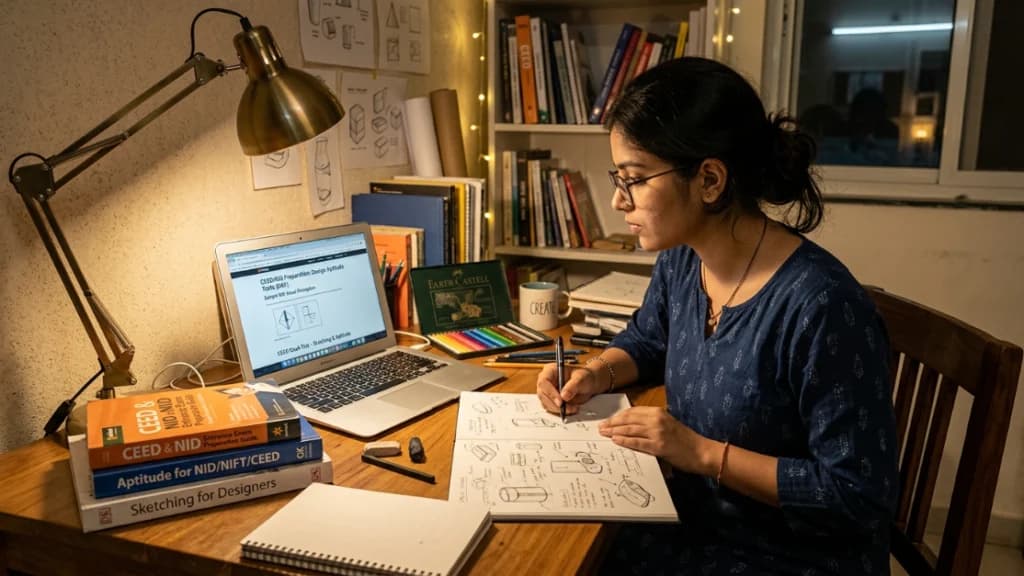
Step 1 — Know Your Exam
CEED (Common Entrance Exam for Design) Conducted by IIT Bombay for admission to IIT design programs.
- Part A: Objective — Visual ability, logical reasoning, design aptitude (MCQ format)
- Part B: Subjective — Sketching, drawing, design problem-solving
NID DAT (Design Aptitude Test) For admission to all NID campuses.
- Prelims: MCQ + creative questions
- Mains: Studio test + personal interview + portfolio review
NIFT Entrance Exam
- CAT: Creative Ability Test (drawing + design scenarios)
- GAT: General Ability Test (English, reasoning, GK)
- Situation Test: Physical material-based creative task (for select programs)
Step 2 — Build Your Preparation Plan
How to Prepare — Step by Step
- Start Sketching Daily — Draw objects, people, spaces, and products. Focus on speed and accuracy. 30 minutes of daily sketching for 6 months will transform your ability.
- Build a Strong Portfolio — Collect your best creative work. Include sketches, digital designs, photography, illustrations — anything that shows your design eye. Government colleges use portfolio as a major selection criterion.
- Learn Design Theory — Study Bauhaus, Gestalt Principles, Color Theory, Typography Basics, Grid Systems. These come up directly in written tests.
- Solve Previous Year Papers — At least 5 years of CEED and NID DAT papers. Platforms like Mirrorcracker and Designerrs Academy are highly recommended.
- Stay Updated on Design Trends — Know current UI trends, industrial design innovations, fashion movements, and sustainability in design. Interviewers expect awareness.
- Start Mock Tests 3–4 Months Before — Simulate real exam conditions. Time management is crucial in both CEED and NID DAT.
- Consider Coaching (Optional) — If self-study feels difficult, coaching institutes in Delhi, Ahmedabad, Pune, and Bangalore specialize in CEED and NID DAT preparation.
Recommended Preparation Timeline
| Months Before Exam | Focus |
|---|---|
| 12–9 months | Daily sketching, design theory basics |
| 9–6 months | Portfolio building, digital tools practice |
| 6–3 months | Previous year papers, topic-wise practice |
| 3–1 month | Mock tests, portfolio finalization, interview prep |
| Final week | Revision only, rest well |

Final Verdict — Should You Do MDes?
MDes is one of the most rewarding postgraduate courses you can pursue if design is genuinely your passion. It combines creativity with strategy, opens doors across industries, and builds skills that remain relevant even in an AI-driven world.
The challenges are real — expensive fees at private colleges, brutal competition for government seats, and a job market that is still learning to fully value design. But for those who commit, build a strong portfolio, and stay updated with industry trends, MDes delivers exceptional career growth and personal satisfaction.
If you can get into NID, IIT, or NIFT — take it without thinking twice. If you are going the private college route, choose carefully based on placement data, faculty quality, and fee-to-ROI ratio.
Design the life you want — literally.
Stay Updated — Government Design Jobs & Exam Notifications
Visit our website regularly for:
- IBPS PO 2026 Notification जून में जारी होगी, Prelims परीक्षा 22 अगस्त से, जानें Eligibility, Salary और तैयारी की पूरी Guide
- RRB NTPC UG Admit Card 2026 Phase 2 जारी – 13 June Exam के लिए rrb.digialm.com से Hall Ticket Download करें
- SSC CGL 2026 Topic Wise Weightage & Priority Matrix – 160+ Score Strategy
- SBI Apprentice Recruitment 2026: State Bank of India में 7150 पदों पर भर्ती – Last Date बढ़कर 15 June, Graduates करें Apply
- SSC CGL 2026 Notification: 12256 पदों पर भर्ती, Eligibility, Salary और Apply करें
Bookmark this page and turn on notifications so you never miss a career update in the design field.
Found this article helpful? Share it with a fellow design aspirant. Have a question we did not cover? Drop it in the comments — we read every one.
© getjobupdate.co.in | All Rights Reserved Disclaimer: Salary figures and placement data are approximate and based on publicly available information. Actual figures may vary.